Why Sales Coaching Fails at Scale (And How 1:50 Ratios Fix It)
Sales coaching breaks at scale because managers can't review 48 calls a day. AI coaching shifts the ratio from 1:10 to 1:50. Here's how it works.

Sales coaching fails at scale because the math doesn't work. A manager with eight reps running six calls a day has 48 calls to review. Listening to 10% of them at 30 minutes each is 24 hours a week. So coaching defaults to the calls the manager happened to sit in on, the few someone flagged, or the weekly 1:1 where feedback arrives a week late. 73% of sales managers spend less than 5% of their time coaching. The fix is not more manager effort. It's shifting the coaching ratio from 1:10 to 1:50 by scoring every call against your methodology and giving each rep their own feedback view.
The math behind why coaching collapses
Coaching doesn't fail because managers don't care. It fails because the workload is physically impossible.
A typical sales manager owns 8 to 10 reps. Each rep runs 5 to 8 customer-facing calls per day. That's 40 to 80 calls a day, 200 to 400 a week. A manager who wants to review 20% of calls at the low end is sitting through 40 calls a week, or 20 hours of pure listening before any feedback gets written.
Three things happen as a result, in every sales org over 20 reps.
Cadence collapses. Coaching that should happen after every call gets pushed to the weekly 1:1. The 1:1 becomes a pipeline review because the deals on the table feel more urgent than the calls from last Tuesday. Feedback that should have shaped the rep's next call lands two weeks and 60 calls later. By then, the rep has already cemented the pattern you wanted to fix.
Coverage gets biased. Managers coach the calls they happened to hear, not the calls that show the gap. Top reps get under-coached because they look fine. New reps get coached on whichever demos the manager could attend, not on the discovery calls where qualification broke down. Reps running early-morning or late-afternoon calls get less coverage than reps whose schedules overlap with the manager's.
Standards drift. Without a shared rubric scored consistently, two managers grading the same call get two different scores. Manager A weighs discovery questions. Manager B weighs objection handling. Same call, 7/10 from one and 5/10 from the other. Reps stop trusting the feedback, and the coaching program loses credibility regardless of how good the individual feedback is.
This is a structural problem. Hiring more managers fixes it linearly. Tooling fixes it at a different order of magnitude.
What “1:50” actually means
The industry default is roughly one sales manager per 10 reps. That ratio exists to keep coaching humanly possible. Pull coaching out of the manager's job and the ratio can stretch to 1:50 without losing coverage, because every call is already scored before the manager sees it.
Three things have to be true for the ratio to move:
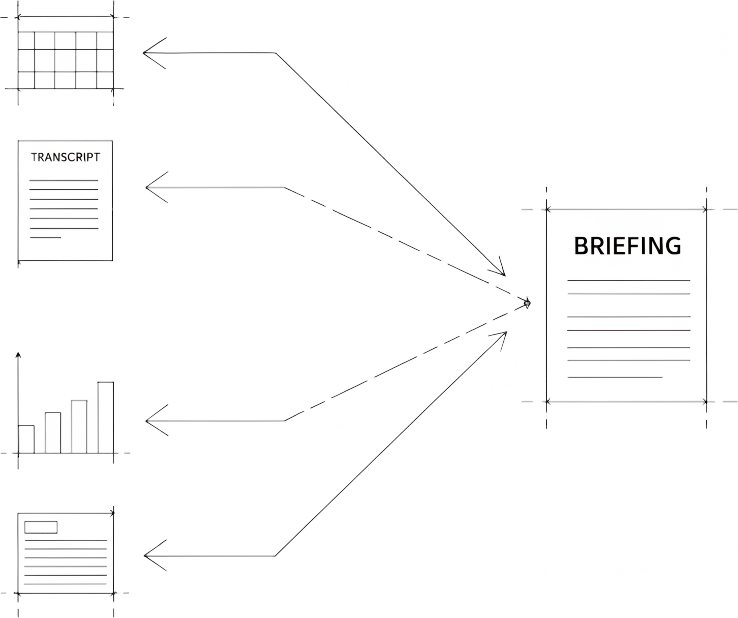
- Every call is scored, not a sample. Not the calls the manager flagged. Not the ones the rep self-submitted. Every customer-facing call, scored against the same rubric, within minutes of ending.
- The rep gets the feedback first. Not the manager dashboard. Each rep sees their own score, the specific moments that drove it, and what to do differently on the next call. The manager view is a byproduct, not the primary surface.
- The rubric matches how your team actually sells. MEDDIC, BANT, Challenger, SPIN, or a custom scorecard you built. Generic AI scoring on “rapport” and “talk ratio” is what gives sales coaching tools a bad reputation. The scorecard has to reflect your sales motion.
When those three are in place, the manager stops being the bottleneck. They review aggregates, intervene on outliers, and coach on patterns instead of individual calls. The ratio shifts because the work shifted.
Why most AI coaching tools don't change the ratio
Most vendors sell “AI sales coaching” as a better manager dashboard. Calls get transcribed, scores get generated, and the manager logs in to review them. The math hasn't changed. The manager still has to look at the scores, decide who needs feedback, and deliver it.
That's a faster version of the old workflow, not a different ratio.
The shift only happens when the rep gets coached without the manager in the loop. The rep finishes a call. Within minutes, they see a score against their team's scorecard, the three or four specific moments that drove the score, and a concrete suggestion for the next call. They act on it before their next call starts. The manager's role moves to spotting patterns across the team and intervening where AI feedback alone isn't enough.
This is the gap between “AI that gives managers a coaching dashboard” and “AI that coaches the rep.” One German sustainability company described the shift after deploying Demodesk: “Performance improvements driven by closer and more effective coaching, enabled through call recordings and transcripts, resulting in faster response times and more detailed follow-ups.” The closer coaching came from reps reviewing their own calls, not from managers reviewing more calls.
How Demodesk AI Coach shifts the ratio
Demodesk AI Coach scores every call against your scorecard within minutes of the call ending. The rep sees their feedback first. The manager sees aggregates and trends across the team.
What that looks like in practice:
Custom scorecards for your methodology. MEDDIC, BANT, Challenger, SPIN, or a scorecard built for your specific sales motion. You can score per phase of the call — discovery, demo, objection handling, close — or against weighted criteria. The rubric matches how your team sells, not a generic AI checklist.
Instant post-call scoring. Within minutes of the call ending, the rep has a score, the moments that drove it, and what to focus on next. Not a weekly digest. Not a quarterly review. The next call benefits from the last one.
Per-rep dashboards. Each rep sees their own trends, their own coaching focus areas, and their own progress against the scorecard. Coaching becomes self-directed, not manager-pushed.
Manager view as a byproduct. Managers see aggregate trends, which reps need intervention, which deals show risk patterns, and which calls warrant a deeper review. They spend time on the 10% of cases where human judgment matters, not the 90% where the scorecard is enough.
Deal risk detection. AI Coach flags deals where the conversation pattern suggests trouble: champion disengaged, decision criteria shifted, competitor mentioned, next steps vague. Those signals reach the manager before the deal slips.
The 1:50 ratio is what falls out when every call is already scored and every rep is already getting feedback before their manager sees the dashboard.
What changes when you move to 1:50
Three things change when coaching shifts from manager-driven to AI-driven with manager oversight.
Coverage hits 100%. Every call, every rep, every day. Top reps get coached the same way new reps do, which is how top reps stay top reps instead of plateauing.
Feedback latency drops from days to minutes. The rep adjusts their next call based on the last one. Patterns get corrected while they're still forming, not after six weeks of repetition.
Manager time shifts from review to intervention. Instead of 20 hours a week listening to calls, the manager focuses on the reps and deals where AI flagged something that needs human judgment. The 1:1 becomes a coaching conversation again, not a pipeline review.
The cost structure changes too. A 50-rep team that used to need five sales managers can run with one or two, plus the AI Coach license. The headcount savings often pay for the tooling several times over. The bigger win is that coaching actually happens.
Where this breaks if you implement it wrong
Three failure modes show up when teams roll out AI coaching without thinking through the workflow.
Generic scorecards. If the scorecard isn't yours, reps see “talk ratio 47%” and shrug. Invest the first 30 days in calibration. Take your top five closed-won calls and your top five closed-lost calls. Score them by hand. Tune the AI scorecard until it agrees with your judgment. If it doesn't, the rest of the rollout is wasted.
Manager-first dashboards. If the manager sees scores before the rep does, the program feels like surveillance and reps disengage. The rep view has to come first, with no manager-visible scoring for the first two or three weeks while reps build the feedback habit.
No closing the loop. AI scores a call. Rep sees the score. Nothing happens. If there's no expectation that the rep acts on the feedback before their next call, the scoring becomes wallpaper. The simplest fix: each rep adds one line to their pre-call notes describing what they're working on based on last week's coaching trend.
Teams that get to 1:50 invest in scorecard calibration upfront and treat the rep as the primary user. Teams that don't end up with a more expensive version of the dashboard they already had.